The Edge Blog · Legal & Compliance · October 20, 2026 · 4 min read
Own Rental or Commercial Property? What Amendment 3 Would Change
Florida's Nov. 3 ballot could lower the yearly cap on taxable value increases for rental and business property.
 Kevin JohnsonCEO & Managing Broker
A tax vote that reaches beyond homeowners
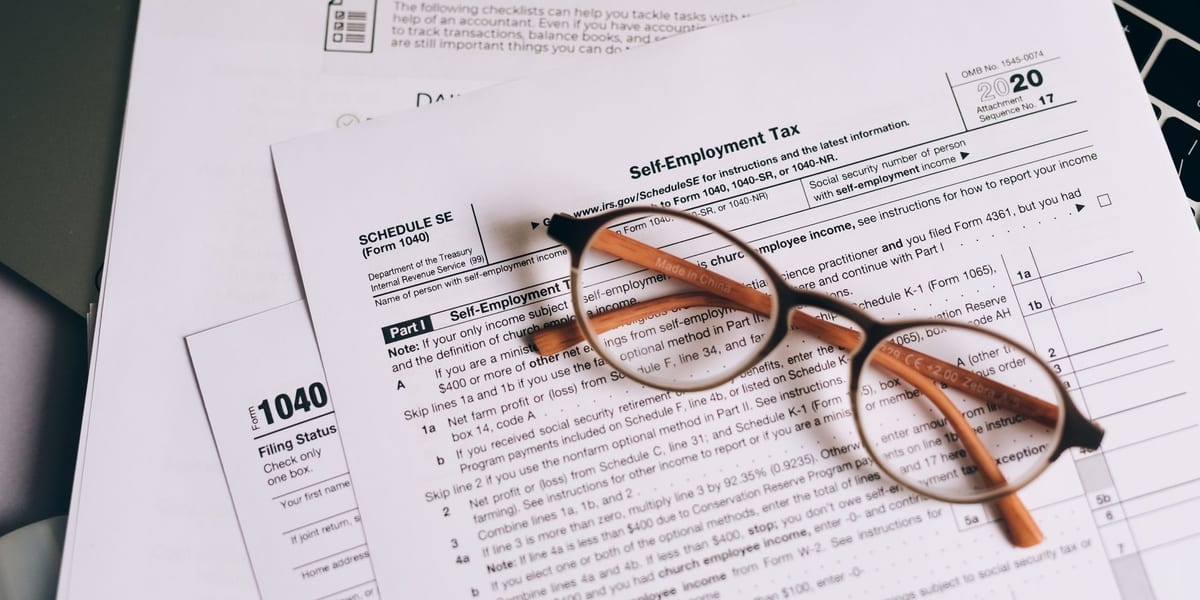
Most of the talk about Amendment 3 centers on the homestead exemption for primary homes. But the measure also reaches property that isn't a homestead. That includes rental homes, apartment buildings, retail centers, offices and warehouses.
Florida voters will decide on Nov. 3, just a few days after Halloween. The amendment needs at least 60 percent of voters to say yes. The ballot wording has been revised to make the measure clearer.
What would change for rental and commercial property
Right now, for city, county and other non-school taxes, the assessed value of non-homestead property can rise by up to 10 percent a year. Amendment 3 would lower that annual cap to 5 percent. School taxes are figured on full market value and would not change.
Here is the plain idea. Your property tax is based on assessed value, which is not always what the property would sell for. The cap limits how fast assessed value can climb, even in a year when market values jump. A lower cap would mean slower growth in the value the non-school part of your tax is figured on.
The amendment would also raise the homestead exemption for non-school taxes to $150,000 in 2027 and $250,000 in 2028, with inflation adjustments starting in 2029. That part helps owners who live in their homes. It does not apply to business or investment property. Still, it could shape local government budgets, and that matters to every taxpayer in a county.
Where the polls stand
Most recent polls show more people for the measure than against it, but below the 60 percent it needs. One poll had it at 63 percent and another at 42 percent.
- One poll found 51 percent support, 25 percent opposed and 24 percent undecided.
- Another poll found 50 percent saying yes.
- A third showed 53 percent support and found the measure did not reach 60 percent in any of the state's media markets.
- A survey of 625 registered voters, taken Sept. 28 to Oct. 1, found 55 percent planned to vote yes.
The takeaway is simple. Nobody knows how this will turn out. Careful owners and tenants are planning for both results.
What each side is saying
Among supporters in one recent poll, 49 percent said their main reason was that taxes are too high. Another 29 percent pointed to excessive government spending.
Opponents include law enforcement leaders who warn that lower property-tax revenue could affect public safety funding. Local governments would have to adjust their budgets if the amendment passes.
This article doesn't take a side. The goal is to help you understand what the vote could mean for property you own or lease.
Five steps to take before Nov. 3
- Find your latest tax bill. Look at the assessed value and compare it with the market value. A wide gap usually means the current cap is already holding your taxable value down.
- Read your leases. Many commercial leases pass property taxes through to tenants. If you lease space, a lower cap could slow the rise in your share. If you own, it may change what you pass through more than your own bottom line.
- Build two budgets. Sketch next year's costs with the current 10 percent cap and with a 5 percent cap (the cap affects only the non-school part of your bill). Seeing both helps you plan rent, reserves and repairs.
- Think about timing on a purchase or sale. Assessments can change when a property changes hands. Ask a tax professional how a deal you are weighing could affect the assessed value.
- Talk with a qualified professional. A property tax advisor or CPA can explain how the change would apply to your specific property. The details matter here.
What it could mean for tenants
Business tenants often pay a share of property taxes through common area or operating costs. Slower growth in assessed value could make those costs more predictable over time. It would not erase other increases, such as insurance, maintenance or base rent.
If your lease is up for renewal soon, ask how taxes are passed through and how increases are calculated. That clarity helps no matter how the vote goes.
The bottom line
Amendment 3 is often described as a homeowner issue. For anyone who owns or leases rental or commercial property in Central Florida, it is also a business issue. Take a few minutes before Election Day to review your tax bill and your leases. If you have questions about how the local market could respond, a local agent can walk you through what we are seeing.
Kevin JohnsonCEO & Managing BrokerWork with Kevin